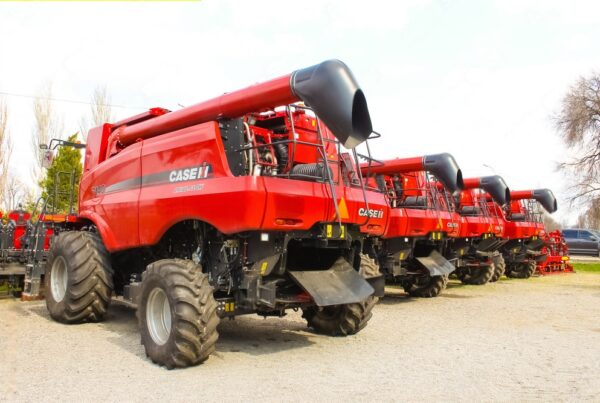


The combine harvester’s concave system plays a crucial role in every harvest season. It is responsible for threshing — separating grain from the crop — and then aiding in the smooth flow of material through the threshing and separation process. Traditionally, combine concaves used round bars or fixed spacing designs that worked reasonably well but had limitations with grain loss, crop versatility, and efficiency.
In recent years, next-generation concave technologies have emerged that significantly enhance harvest performance. Two of the most exciting innovations are O-Grate concaves and variable-spacing concave systems — both aimed at increasing throughput, reducing grain loss, improving grain quality, and cutting downtime during harvest.
This article explores what these technologies are, how they function, their advantages over older fixed-spacing designs, and why they are drawing attention from progressive farmers worldwide.
What Are Modern Concave Designs?
Understanding the Concave’s Role
A combine’s concave is a curved grille located beneath the threshing rotor. As crops enter the combine, the rotating cylinder pushes them against the concave. This interaction separates grain from plant material. The spacing between the bars, the shape of those bars, and how they are arranged all influence how effectively the grain gets threshed and separated.
O-Grate Concave Technology — Precision Meets Performance
The O-Grate design is one of the newest advancements in concave technology. Developed by companies like Bushel Plus Ltd. for their O-Grate MAD Concaves™, these systems move away from traditional round-bar styles to a precision-engineered configuration with key innovations.
Key Design Features
1. O-Shaped Holes
Instead of simple round bars or wires, the O-Grate concaves incorporate O-shaped openings that allow grain to separate more consistently while controlling the flow of material within the concave section. This controlled flow helps prevent plugging and ensures material moves efficiently toward the separation area.
2. Rounded Staircase-Style Threshing Bars
The bars in O-Grate systems are shaped to create a gentle tumbling motion rather than harsh impact threshing. This reduces kernel damage — especially important for high-value crops like soybeans and milo — and helps maintain grain quality.
3. Modular Split-Frame Design
A major innovation of the O-Grate system is its modular split-frame structure, where lighter concave inserts can be quickly swapped in and out depending on crop type or conditions. Operators can change from small grain to corn or soybean configurations in about 10–15 minutes, without re-leveling the concaves. This flexibility cuts down on downtime during harvest transitions.
Advantages in Field Performance
Farmers and equipment specialists report that O-Grate systems:
- Increase throughput and harvesting capacity by allowing more crop to be processed smoothly.
- Improve grain sample quality due to smoother material flow and reduced blockages.
- Minimize grain loss and cracked kernels, especially important when commodity prices are tight.
- Reduce physical strain and time required for concave changes, improving safety and productivity.
These benefits directly contribute to better harvest efficiency — meaning more grain captured per acre and less downtime lost adjusting equipment.
Variable-Spacing Concaves — A Smarter Progression Through the Threshing Zone
Another major leap in concave design is found in variable-spacing systems, such as Thunderstruck Ag’s Razors Edge Concaves. These are engineered not just with unique bar shapes, but with progressive spacing patterns that change from the front to the back of the concave.
How Variable Spacing Works
Unlike traditional concaves with uniform spacing along their length, variable-spacing concaves are tighter at the beginning where crop material first contacts the concave and gradually widen toward the rear.
This design has several beneficial effects:
- Aggressive threshing at the crop entry point ensures grain quickly separates from straw or husks.
- Wider spacing downstream allows smoother flow of the threshed material, reducing the risk of plugging and separator overload.
- The progressive spacing mimics the behavior of cover plates, but without manual adjustments during harvest changes.
By carefully regulating how material moves through the threshing and separating zones, variable spacing designs balance efficiency and control across a wide range of crops — from wheat and soybeans to canola and corn.
Benefits of Variable Spacing
Farmers using variable-spacing systems report:
- Better handling of heavy crop loads with fewer stops for clearing blockages.
- Lower rotor loss and grain blow-out, especially in high-moisture or heavy yield conditions.
- Greater versatility across crops without concave swaps or additional hardware.
This enhanced performance translates into more efficient harvesting, less wasted fuel, smoother machine operation, and improved overall profitability.
Why These Technologies Matter in Modern Harvesting
1. Reducing Grain Loss
Grain loss at harvest can significantly impact farm profitability. Outdated or poorly matched concave systems often fail to keep up with modern high-capacity combines, leading to unthreshed grain passing through and escaping at the back of the machine.
Both O-Grate and variable-spacing designs tackle this issue by optimizing the threshing and separation processes, ensuring grain is efficiently removed from the plant and safely routed to the grain tank.
2. Enhancing Crop Flexibility
Traditional concave setups often require multiple concave changes, cover plates, or manual adjustments when switching between crops. This doesn’t just waste time — it can slow harvest progress and increase labor demand during peak harvest windows.
Next-generation systems drastically reduce or eliminate the need for frequent hardware swaps, letting operators focus on harvesting rather than adjusting equipment.
3. Boosting Productivity and Efficiency
With rising input costs and tight harvest windows, speed and efficiency matter more than ever. By improving material flow, reducing blockages, and enabling smoother crop handling, these new concave technologies help combines operate at higher ground speeds without sacrificing grain quality.
Final Thoughts
The evolution of concave technology — from traditional round bars and fixed spacing to precision-engineered O-Grate systems and variable-spacing designs — is redefining what modern harvests look like. These innovations are not just “new features”; they are practical advancements that address real pain points in harvesting: grain loss, downtime, crop variability, and operational complexity.
For farmers seeking better performance, higher yields, and greater efficiency, adopting these next-generation concave technologies can make a measurable difference in both harvest outcomes and profitability.